
Dirty Blonde Tape-In Hair Extensions: What to Know
Dirty blonde hair already carries a useful balance of depth and brightness. But it can look flat when you want more body or length without a dramatic color change. Tape-in extensions can enhance that lived-in dimension while keeping the result soft and believable.
Dirty blonde tape-in hair extensions can be a natural-looking option for adding volume, length. And subtle tonal depth when a professional selects the right blend, weight, and placement for your hair. At Boho Chic Beauty in Garwood, NJ, Michele Dos Santos takes a health-first, collaborative approach so the extension plan supports your texture, lifestyle, and existing color.
The goal is not a one-session transformation that compromises hair integrity. It is a personalized enhancement that moves with your natural hair and can be maintained thoughtfully over time. Understanding how the adhesive panels sit close to the scalp is the best place to begin evaluating whether this method fits your needs.
What Are Tape-In Hair Extensions and How Do They Work?
Tape-in extensions are a popular semi-permanent method for adding volume, length, or subtle color dimension to natural hair. Instead of using clips or heavier attachment methods, a stylist sandwiches a small section of natural hair between two lightweight extension panels with adhesive strips. The result is designed to feel like part of your own hair, while allowing the extensions to be professionally removed and reapplied as your natural hair grows. A clinical review also identifies tape-ins as a popular semi-permanent extension method for creating a natural, seamless look. Read the research on tape-in hair extensions.
For someone considering dirty blonde tape-in hair extensions, the attachment design matters as much as the color match. Tape-in panels have a flat, seamless profile that lies close to the scalp. So the connection is less detectable than a bulkier method when it is placed and blended correctly. You should not feel a large bump or rigid piece when you move your hair. A thoughtful installation also keeps the panels comfortable as you wear your hair down, in a ponytail, or in soft waves.
Why the flat profile feels natural
The flat shape allows the extensions to move with your natural hair rather than sitting away from the head. That natural movement gives you more flexibility when parting and styling your hair. It can also make added fullness look integrated instead of obviously attached. The goal is not to cover your natural hair with an excessive amount of extension hair. It is to place the right amount where you need support, then cut and blend the lengths so the finished shape suits your texture and lifestyle.
Placement and weight are important for hair health. When tape-ins are applied by a professional, they can add volume with minimal tension on the natural hair follicle. That does not mean every head of hair needs the same amount or density. Fine hair, fragile ends, and existing breakage all deserve a careful assessment before an extension plan is selected. A collaborative consultation helps determine whether tape-ins are appropriate and how much hair your natural strands can comfortably support.
At Boho Chic Beauty Boutique in Garwood, NJ, the process is intentionally personalized. Michele can assess your current hair, discuss the amount of volume or length you want, and explain how the panels will be positioned before moving forward. If you want to understand the placement approach in more detail, explore this guide to hair extension services at Boho Chic Beauty. The best result is one that looks polished in the mirror and still respects the health and comfort of your natural hair.
How Dirty Blonde Tape-In Hair Extensions Create a Natural, Volumized Look
Dirty blonde hair has the kind of dimension that can look different in changing light. Its blend of darker and lighter tones gives a stylist room to create a soft, believable extension match instead of forcing one flat shade from root to ends. At Boho Chic Beauty Boutique in Garwood, NJ, Michele Dos Santos uses that natural variation as part of the design.
The goal is not to make the extensions look separate from your hair. It is to choose tones that support what is already there, then place them where they add fullness and movement without overwhelming your natural hair.
A multidimensional color match looks more natural
Dirty blonde is a versatile, multidimensional shade that can blend with several extension tones. Depending on your base, that may include a combination of warmer and cooler pieces rather than a single uniform color. Mixing those tones can echo your existing highlights, lowlights, and root depth, creating a custom result that looks intentional while still feeling like you.
This is where a lived-in color approach can be especially helpful. Instead of chasing a perfectly solid blonde, the service considers how your color grows out and how the extension hair will sit beside it. The match should work with your current tone, texture, and styling habits. A consultation gives Michele the opportunity to assess those details and select a blend that feels natural for you.
Volume can change the shape of the style
Dirty blonde hair can sometimes appear flat, even when the color itself has plenty of dimension. Tape-in extensions can add body through the mid-lengths and ends, helping hair look fuller without requiring a dramatic change in length. The result may be a softer ponytail, more balanced waves, or a fuller shape around the face.
For clients concerned about density, a thoughtful placement and weight plan matter. The extension choice should add the amount of volume your natural hair can comfortably support. You can learn more about hair extension services for your hair type when fine or delicate strands are part of your consultation.
Color dimension without additional chemical processing
Tape-ins can also introduce subtle highlights or lowlights without additional chemical processing on your natural hair. A carefully chosen lighter or deeper tone can brighten the overall look, add contrast. Or make the dirty blonde base feel more dimensional while keeping the focus on hair health.
That does not mean every client needs extensions, or that color should be skipped when it is the right option. It means the plan should be collaborative and specific. In Boho Chic Beauty's private suite, the recommendation is based on your existing color, hair condition, desired fullness, and everyday routine. The most natural result is the one that gives you more body and dimension while still respecting the hair you came in with.
Who Is a Good Candidate for Tape-In Extensions in Garwood, New Jersey
A good candidate is someone whose current hair and scalp can support extensions, and who is ready to follow a thoughtful maintenance routine. At Boho Chic Beauty Boutique, the process begins with a health-first assessment rather than an automatic recommendation. Michele looks at the condition, density, texture, and strength of your natural hair before deciding whether tape-ins are appropriate for you.
This approach can work well for clients in Garwood and nearby communities across Union, Somerset, Middlesex. And Essex counties, including anyone within roughly a 15-mile radius who wants added fullness, length, or subtle dimension. If you are exploring meet Michele, your extension stylist in Garwood, the consultation is where your goals are matched with what your hair can comfortably handle.
Your hair goals and lifestyle matter
Tape-ins may be a thoughtful option if you want a natural-looking enhancement without committing to a dramatic change. A consultation personalizes the match to your hair texture and daily lifestyle. That includes discussing how often you style your hair, how you wear it for work or exercise. And whether you want length, body, or a more dimensional dirty blonde tone. The right color match should account for the warm and cool tones already present in your hair, rather than treating dirty blonde as one flat shade.
Fine or delicate hair does not automatically rule out extensions, but it does make weight and placement especially important. Correct application and consistent maintenance help minimize scalp irritation and protect the integrity of your natural hair. The goal is a balanced result that moves comfortably with you, not an application that places unnecessary stress on the roots.
When tape-ins should wait
Extensions should not be applied over a scalp with an active infection or significant skin condition. A professional pre-application evaluation helps identify when treatment should be postponed or when another approach would be more appropriate. Research on hair extensions has also documented irritant or allergic contact dermatitis associated with some extension components, so material quality and professional guidance matter. See the clinical discussion of extension-related dermatitis at PubMed.
If you have scalp symptoms, unexplained shedding, tenderness, or hair that feels unusually fragile, share that information openly during your consultation. The safest recommendation may be to address the underlying concern first. Research also emphasizes avoiding extensions on affected scalps, reinforcing why a careful assessment should come before application: clinical guidance on scalp conditions and hair extensions. A collaborative consultation gives you an honest starting point and a plan that respects your long-term hair health.
What to Expect During Tape-In Application at Boho Chic Beauty
Your application is planned around your natural hair, your desired result, and your comfort. At Boho Chic Beauty Boutique in Garwood, NJ, the process takes place in a private suite, creating a calm, focused environment for a multi-hour service. That setting allows Michele to give you personalized, undivided attention while she works through each placement with care. You can learn more about the services at Boho Chic Beauty before your visit.
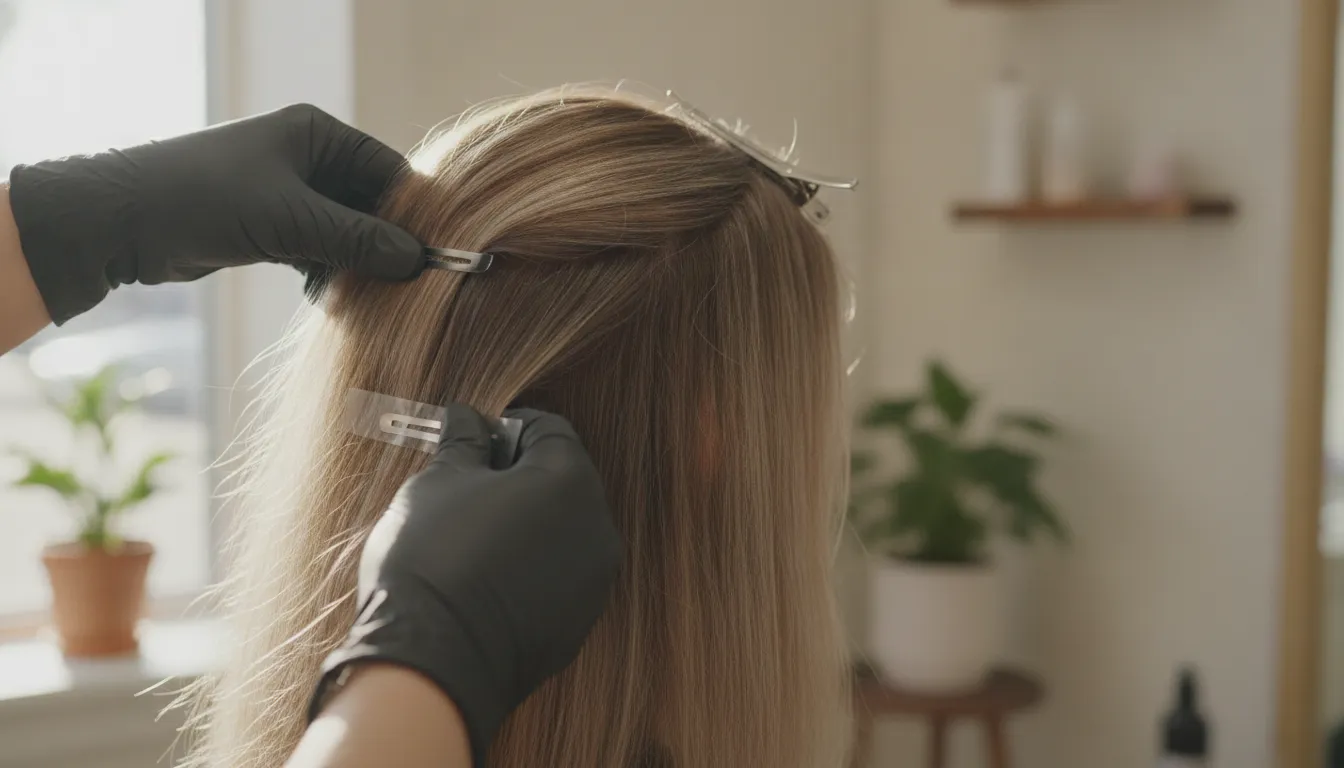
For fine hair, including fine dirty blonde hair, the goal is not simply to add as much hair as possible. Weight and density are selected carefully so the extensions complement your natural hair rather than overburdening it. Thoughtful application matters for comfort, movement, and long-term hair health. The American Academy of Dermatology Association also recommends avoiding excessive tension and taking steps to prevent damage when wearing extensions: AAD guidance on preventing hair damage from extensions.
- Review your goals and hair history.
We begin by discussing the look you want, how you typically wear your hair, and any concerns about volume, length, or color. This conversation helps determine whether tape-ins suit your current hair condition and daily routine. It also gives you space to ask questions before the application begins.
- Assess your natural hair and scalp.
Your hair is evaluated for texture, density, strength, and areas that may need a lighter approach. The scalp is considered as part of this health-first assessment. If there is irritation, an active infection, or another condition that could make extensions unsuitable, the service should be paused until professional guidance is appropriate.
- Choose the color, weight, and density.
Dirty blonde hair can include a blend of warm, cool, and natural tones, so the match is selected with those nuances in mind. We also choose extension weight and density carefully, especially when the natural hair is fine, to avoid placing more load on the hair than it can comfortably support.
- Prepare clean, organized sections.
The hair is separated into controlled sections so each tape panel can be positioned accurately. Professional hygiene and safety protocols are followed throughout the service, helping keep the application orderly and protecting the integrity of the adhesive and your natural hair.
- Place and secure each tape panel.
The extensions are applied in balanced rows, close enough to create a seamless result while leaving appropriate space for natural movement and brushing. The private suite and focused appointment allow for careful placement rather than a rushed, one-size-fits-all process.
- Blend, check, and review your care plan.
Once the panels are secured, the hair is checked for comfort, balance, and movement. The finished blend is refined so it feels like part of your own hair. Before you leave, you will review the habits that help protect the bonds and your natural hair between professional appointments.
How to Care for Dirty Blonde Tape-In Extensions at Home
Daily care for dirty blonde tape-ins centers on gentle washing with a sulfate-free shampoo. Thorough drying of the bonds, conditioning the lengths only, and brushing from the ends upward. Protective habits keep the adhesive secure and the blended color looking soft and dimensional between professional re-appointments.
Professional installation is only one part of keeping your extensions comfortable, polished, and easy to blend. Daily care is the other half of the professional re-application cycle. A simple routine protects the adhesive, supports your natural hair, and helps dirty blonde tape-in extensions keep their softness and movement between appointments.
Wash gently and dry the bonds completely
Choose a gentle, sulfate-free shampoo made for extension care. Sulfate-heavy formulas can be too aggressive for the adhesive, while a sulfate-free option helps protect the bond during regular washing. Work shampoo into the scalp and natural hair with your fingertips, rather than scrubbing or twisting the taped areas. Rinse thoroughly so product does not collect around the adhesive.
After washing, press out excess water with a soft towel instead of rubbing. Then dry the bond area thoroughly and gently. Moisture left around the tape can weaken the connection over time, so do not rush this step. You can use a blow dryer on a comfortable setting, keeping the airflow controlled and avoiding unnecessary tugging at the roots. For more detail, see this guide to explore more hair care tips on the Boho Chic blog.
Condition the lengths, not the adhesive
Deep conditioning helps keep both your natural hair and the extensions soft, hydrated, and tangle-free. Apply conditioner or a deep treatment primarily from the mid-lengths through the ends. Keep rich, oily products away from the tape itself unless your stylist has recommended a specific formula. Dirty blonde hair often depends on soft texture and blended dimension, and hydrated lengths help the color look intentional rather than dry or separated.
Consistent hydration and detangling are more useful than occasional intensive rescue sessions. Follow the care recommendations given for your specific hair and extension density, especially if your natural hair is fine or prone to tangling.
Brush from the ends up
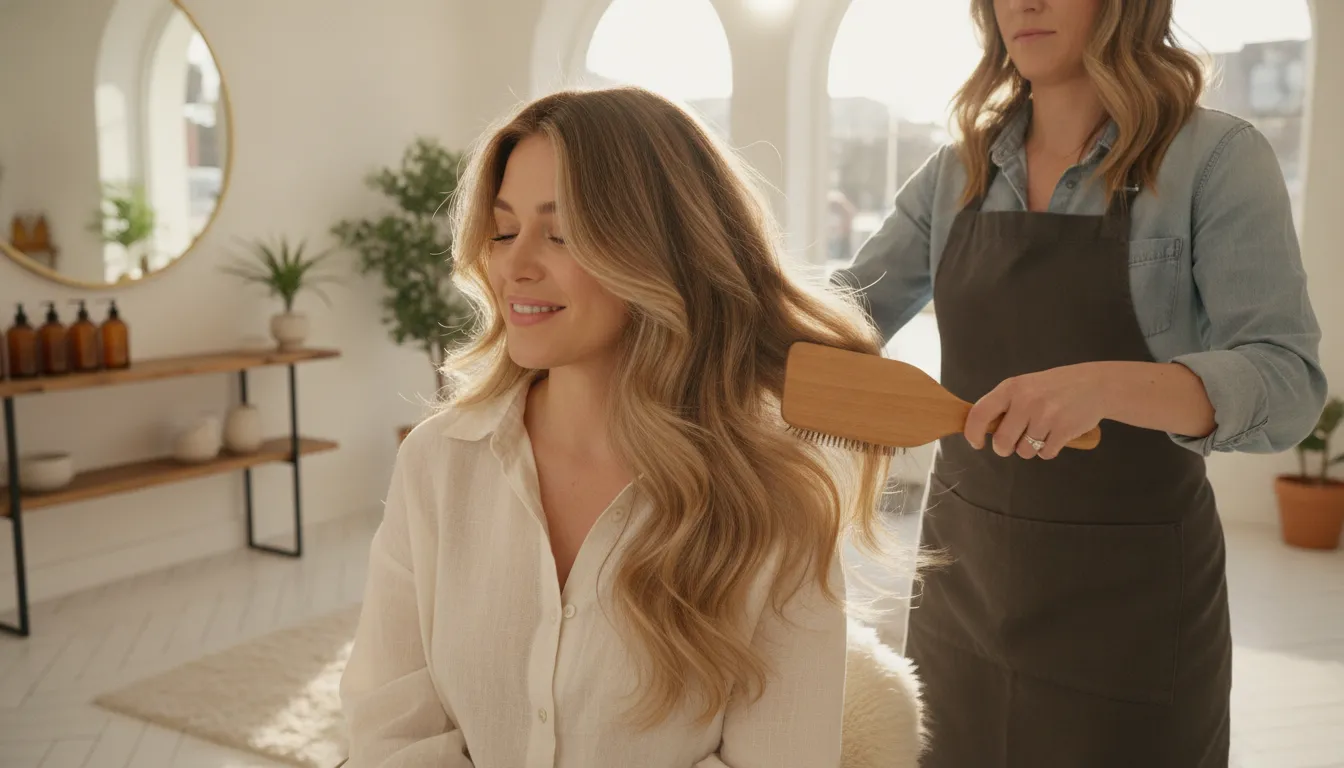
Use an extension-safe brush and begin at the ends. Gently work upward in small sections, supporting the hair near the attachment points with your free hand. Starting at the roots can pull through tangles and place unnecessary tension on the adhesive. Brush before washing, after the hair is mostly dry, and before bed so small knots do not become larger mats.
Never sleep on wet hair. Damp hair can tangle against the pillow and increase tension at the adhesive points. Make sure the bonds and lengths are dry before bedtime, then loosely secure the hair if that feels comfortable for you.
Style with heat awareness
You can style tape-in extensions, but keep direct heat away from the adhesive bonds. Heat tools should work on the lengths, not directly over the tape. Use controlled sections and avoid repeatedly passing a hot tool across the attachment area. If you notice slipping, unusual pulling, matting, or scalp discomfort, pause your routine and contact your stylist rather than trying to correct the bond at home. With gentle washing, thorough drying, regular detangling, and steady hydration, your extensions can stay beautiful while your natural hair remains part of the care plan.
Tape-Ins vs. Other Extension Methods
Choosing an extension method is less about finding a universal winner and more about matching the installation to your hair, routine, and comfort. Tape-ins are a semi-permanent option that can add volume with minimal tension when applied correctly. Their flat, seamless design lies close to the scalp, which helps them feel discreet and move naturally with your own hair.
Here is a practical starting point for comparing the most common options. Wear time, upkeep, and comfort vary with your hair's density, growth, lifestyle, and the quality of the installation. A professional should assess those details before recommending a method, especially if your hair is fine or fragile.
Method | Best for | Length of wear | Removal and upkeep | Tension on natural hair |
Tape-in. | Seamless volume, length, or subtle color dimension for clients who want a discreet semi-permanent option. | Typically maintained and reapplied every 6 to 8 weeks. | Professional removal and reapplication; regular gentle care at home. | Low when correctly placed, weighted, and maintained. |
Clip-in. | Temporary fullness or length for occasional styling and events. | Removed after wear; timing depends on the occasion and routine. | Attach and remove as needed; avoid sleeping in them. | Can vary with placement, weight, and how long they are worn. |
Sew-in or weft. | Clients seeking a more anchored method and a fuller installation. | Depends on hair growth, installation, and maintenance schedule. | Requires professional removal and scheduled upkeep. | May feel heavier, so careful weight selection matters. |
Keratin tip. | Individualized placement and flexible strand-by-strand blending. | Depends on the bond, natural growth, and maintenance. | Professional removal is important; upkeep varies by installation. | Varies by strand weight, placement, and the condition of natural hair. |
For many clients with dirty blonde hair, tape-ins offer a useful balance: a low-profile attachment. Natural movement, and styling flexibility without the bulk that can make an extension method easier to detect. They can also add dimension without requiring additional chemical processing, but the color match still needs to account for the warm and cool tones in your natural shade.
At Boho Chic Beauty Boutique in Garwood, NJ, the decision begins with a health-first consultation. Michele can consider your hair's current condition, texture, density, and daily routine before selecting an appropriate extension weight and placement. The goal is not simply fuller hair. It is a comfortable, polished result that supports the health and movement of your natural hair.
How Long Tape-In Extensions Last and When to Re-Apply
Tape-in extensions are typically maintained and re-applied every 6 to 8 weeks as your natural hair grows. Waiting too long can make removal harder and place avoidable strain on the roots, so a scheduled professional visit keeps the bonds comfortable, discreet, and properly blended.
Tape-in extensions are generally maintained and re-applied every 6 to 8 weeks. That window can vary with your natural hair growth, daily habits, and care routine, but it offers a helpful rhythm for keeping the extensions comfortable, discreet, and blended. Waiting until the adhesive has loosened significantly or the extensions have grown far from the scalp can make removal and re-application more difficult. So a scheduled maintenance visit is healthier than treating the appointment as an emergency.
Why the 6 to 8 week schedule matters
As your natural hair grows, the tape-ins move farther away from the scalp. The extension may still look attractive for a little while, but the added distance can affect how the hair falls. How easily you can brush near the bonds, and how much leverage the extension places on your natural hair. A professional re-application restores the placement and allows your stylist to check the condition of both your hair and scalp.
Longevity also depends on the quality of the adhesive and the consistency of professional maintenance. High-quality adhesive, careful placement, and re-application on schedule work together. Home care supports that process too. Follow your extension-safe washing routine, dry the bond thoroughly after washing, detangle gently from the ends upward, and keep direct heat away from the adhesive. These habits can help preserve the connection between appointments, but they do not replace a professional check-in.
Protecting your natural hair over time
Long-term comfort is part of a successful extension plan. Extensions should not feel persistently tight, painful, or heavy. Excess tension over time can contribute to traction-related hair loss, which is why extension weight, placement, and maintenance timing deserve careful attention. The National Center for Biotechnology Information overview of traction alopecia explains the relationship between repeated pulling and hair loss. If you notice soreness, unusual shedding, broken hairs, or scalp sensitivity, contact your stylist rather than trying to push through until the next appointment.
At Boho Chic Beauty Boutique in Garwood, NJ, the goal is a seamless result that respects your natural hair. Lived-in color helps your roots blend smoothly with tape-ins as they grow out, so your dirty blonde shade can remain soft and dimensional between visits. A consistent 6 to 8 week maintenance cycle keeps the look polished while giving Michele the opportunity to reassess your hair's needs and adjust the plan as your growth and lifestyle change.
Ready to explore tape-in extensions for your hair? Book a consultation online with Boho Chic Beauty.
Frequently Asked Questions
Are tape-in extensions good for dirty blonde hair?
Yes. Dirty blonde hair often combines warm and cool tones, so it can blend well with a customized mix of extension shades. Tape-ins can add length, body, or subtle highlight and lowlight dimension without additional chemical processing. A stylist should assess your existing color, texture, and desired finish rather than relying on a single shade from a chart.
How long do tape-in hair extensions last?
Tape-in extensions generally need professional maintenance and re-application every 6 to 8 weeks. Your natural hair growth, adhesive quality, and home-care routine all affect how seamless they remain. Regular detangling, hydration, and careful drying around the adhesive help support the look between appointments.
Do tape-in extensions damage dirty blonde hair?
They can be a health-conscious option when the weight, density, placement, and maintenance are appropriate for your natural hair. Incorrect application, excess tension, or neglected upkeep can contribute to irritation or stress on the hair. A health-first consultation is important, and extensions should not be applied over an active scalp infection or significant skin condition. A professional assessment can determine whether this method is suitable.
How do you color match tape-in extensions to dirty blonde hair?
Color matching should account for the different tones in your hair, including the mid-lengths, ends, and any lived-in highlights. At Boho Chic Beauty Boutique in Garwood, NJ, Michele can evaluate your current color and blend warm or cool tones for a natural result. The goal is a soft transition that complements your hair, not a flat one-color match.
Book Your Tape-In Extension Consultation
A thoughtful consultation helps match dirty blonde tape-in hair extensions to your color, texture, and everyday routine, with hair health guiding each recommendation. If you are in Garwood, NJ or nearby, Boho Chic Beauty can help you explore a personalized extension plan in a private, collaborative setting.


Comments