
Can You Color Hair After Hair Botox? What the Experts Say
Can You Color Hair After Hair Botox?
Yes, you can usually color your hair after hair botox, but the safest timing depends on the formula used, your hair's condition, and the color service you want next. When a client asks me this in the salon, I do not give a one-size-fits-all answer. I look at the hair in front of me, review what was applied, and plan the next service around the health of the strand.
Hair botox is a conditioning and smoothing service, not an injectable treatment. Product formulas and salon protocols vary, so the instructions for your specific service should always guide the final timing. In general, many stylists recommend waiting about 7 to 14 days before applying color after hair botox. Lightening, bleach, or a major color correction may require more caution than a gentle gloss or a limited root touch-up.
For a second perspective on what to expect from this treatment, read Boho Chic Beauty's hair botox treatment guide for New Jersey women.
Why Does Timing Matter?
Hair botox can temporarily smooth the surface of the hair and improve softness, manageability, and shine. Color services, especially permanent color and lightening, are designed to change the hair's pigment and can alter the cuticle's condition. Scheduling those services too close together may affect how evenly color takes, how the hair feels afterward, and how long the smoothing result lasts.
The issue is not that hair botox and hair color are automatically incompatible. The issue is stacking services before your stylist has had a chance to assess how your hair responded to the first one. Porosity, previous bleach, heat damage, extensions, and the difference between a demi-permanent color and a lightener all matter.
What Can Happen If You Color Too Soon?
- Uneven color:
A recently treated surface may not accept color in exactly the way you expect, particularly when the hair has different levels of porosity from roots to ends.
- More dryness:
Hair that is already fragile may feel rougher when chemical services are performed back-to-back.
- A shorter smoothing result:
Color chemistry and shampooing can affect how long the conditioning and smoothing benefits remain noticeable.
- Unplanned correction:
If the color does not take evenly, fixing it can require another chemical service that the hair was not ready to handle.
These are possibilities, not guarantees. Your stylist should make the call after seeing your hair and confirming the exact treatment and color history.
How Long Should You Wait to Color Hair After Hair Botox?
The following ranges are a starting point for a consultation, not a substitute for the product instructions or an in-person hair assessment:
Next service | Common starting range | Why your stylist may adjust it |
Gloss or demi-permanent color | About 7 days | Formula, porosity, and whether the color is being refreshed or changed |
Root touch-up | About 7 to 10 days | How much product will overlap treated lengths |
Permanent color | About 10 to 14 days | Developer strength, previous chemical work, and hair elasticity |
Highlights, balayage, or bleach | At least 14 days, often longer | Lightening is more demanding and requires a careful strand assessment |
If your hair feels unusually stretchy, brittle, rough, or tender at the scalp, do not use a calendar alone to decide. Pause and speak with your stylist. A strand test or a different service plan may be the more responsible choice.
Is It Better to Color Before or After Hair Botox?
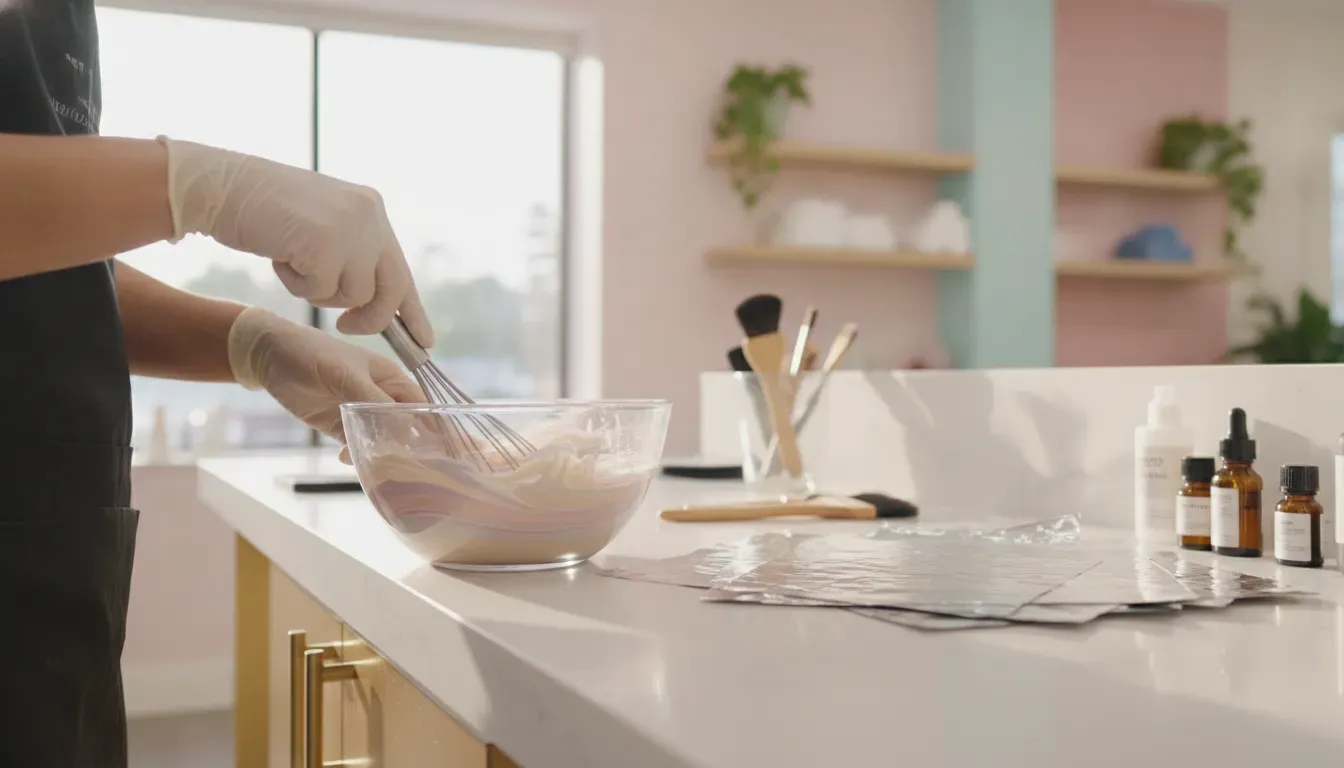
When a client wants both services, I often prefer to plan the color first and the hair botox service afterward, when the formula and the hair's condition make that sequence appropriate. Color can leave the hair feeling drier or more porous, and a conditioning service afterward may help restore a smoother feel. The order is still individualized, especially when lightening or corrective color is involved.
- Start with a consultation:
Bring the product name, service date, and any instructions you received after your hair botox appointment.
- Clarify the color goal:
A root refresh, gloss, all-over color, highlights, and bleach do not place the same demands on the hair.
- Check the condition of the strand:
Your stylist should assess elasticity, porosity, previous color, and areas of overlap before choosing a formula.
- Plan aftercare with the service:
The right shampoo, water temperature, heat protection, and maintenance schedule can help preserve both color and softness.
For preparation ideas before your next color service, see our guide on how to prepare for a hair color appointment. If your goal is a custom brunette, blonde, or lived-in result, the consultation is where we can decide whether the requested change is realistic for your current hair.
How Can You Protect Color-Treated Hair After Hair Botox?
- Follow the product-specific instructions:
Your stylist's directions take priority over generic internet advice.
- Use a gentle, color-safe cleanser:
Ask your stylist which formula suits your scalp, color, and treatment history.
- Reduce unnecessary heat:
Use heat protection and avoid repeatedly passing hot tools over the same section.
- Keep up with moisture:
A stylist-recommended conditioner or mask can help the hair feel more comfortable between appointments.
- Protect the hair while swimming:
Chlorine and salt water can affect color and the feel of treated hair, so rinse and protect the hair before and after swimming.
- Schedule the next service before you leave:
A maintenance plan is easier to follow when the timing is based on your actual hair rather than a generic promise.
Our hair botox aftercare guide covers everyday maintenance, while a consultation can account for your color history and goals.
What Should You Tell Your Stylist Before Coloring?
The more complete your service history, the better your stylist can protect the hair. Before booking color after hair botox, write down the date of the treatment, the name of the product if you have it, and whether the service included heat, flat ironing, or another smoothing step. Mention any home color, box dye, bleach, relaxer, perm, or extension service as well. Even if a service happened months ago, it can still affect how the hair responds today.
I also want to know what you are hoping to change. A small root refresh is a different conversation from going blonde, covering gray, adding bright fashion color, or correcting a band of uneven color. Bring an inspiration photo, but be open to a plan that reaches the result in stages. Healthy-looking color is not only about the shade in the bowl. It is also about choosing a process the hair can tolerate.
- Share the treatment date and product:
A label or salon receipt is useful when the formula is unfamiliar.
- Describe your color history:
Include professional and at-home services, even if you are not sure they matter.
- Explain your maintenance routine:
How often you wash, heat-style, swim, and refresh the color helps set realistic expectations.
- Ask what happens next:
Confirm the wait time, home-care steps, and when your stylist wants to see you again.
For general background on hair-color safety, the U.S. Food and Drug Administration's hair-dye guidance is a useful reference. It does not replace a professional assessment, but it reinforces why following product directions and paying attention to irritation or other warning signs matters.
When Should You Postpone the Color Appointment?
Sometimes the best answer is not a different number of days but a pause. If your hair is snapping, shedding more than usual, or stretching when wet, tell your stylist before any color is applied. The same is true if your scalp is irritated, itchy, or uncomfortable after the smoothing service. A color appointment should not move forward just because it is already on the calendar.
Postponing does not mean you have lost your chance to reach your goal. We can often adjust the plan by focusing on the roots, choosing a lower-impact refresh, adding a conditioning appointment, or scheduling lightening in stages. In my chair, I would rather make a thoughtful plan than rush a dramatic change and leave you with hair that feels compromised.
Ask these questions before the service begins: What kind of color is being used? Will it overlap the treated lengths? Does the stylist recommend a strand test? What should you do if the hair feels different after the test? Clear answers help you make a confident decision and give your stylist the information needed to protect your hair.
Frequently Asked Questions
Can I color my hair immediately after hair botox?
It is usually better to wait rather than color immediately. Many stylists use a starting range of 7 to 14 days, but the right timing depends on the formula, your hair's condition, and the color service. Follow the instructions from the salon that performed the treatment and ask for an assessment before coloring.
Can I get highlights or bleach after hair botox?
Possibly, but highlights and bleach require more caution than a gloss or root refresh. A common starting point is at least 14 days, followed by an in-person assessment. Previous bleach, breakage, low elasticity, and overlapping lightener may mean waiting longer or choosing a different plan.
Should I color my hair before or after hair botox?
Many stylists prefer to schedule color first and hair botox afterward when the hair can safely handle both services. That order is not universal. Your stylist should review the product used, the color goal, and the hair's condition before confirming the sequence.
Will hair botox change my color?
It can affect the way hair looks or feels depending on the formula and the starting color, but the outcome is product-specific. Ask the salon to explain whether the treatment is compatible with your current color and whether a strand test is appropriate.
How do I know whether my hair is ready for color?
Timing alone is not enough. Hair that is unusually stretchy, brittle, breaking, or severely dry may need more recovery before another chemical service. A stylist can assess the hair and recommend a safer timeline or a conditioning-focused appointment first.
Can I book a consultation if I am unsure?
Yes. A consultation lets Michele Dos Santos review your hair history, current condition, desired color, and the hair botox product or service you received before recommending next steps.



Comments